
"India Malabar"
400 article(s) found

Karita extract Indian Malaba has the flavor of plum acid, cocoa, nut and cream.
Professional coffee knowledge exchange more coffee bean information please follow the coffee workshop (Wechat official account cafe_style) Coffee production in Asia is second only to Central and South America. India Nicaea has always been the largest coffee producer in Asia, but this situation has changed greatly in recent years. With the assistance of the World Bank, Vietnam's production expanded rapidly and officially squeezed out of Indonesia in 1999 to become Asia.
The grades of Indian coffee beans in Asia are classified as A, B, C and T
There are several reasons why Indian coffee is so popular in coffee hobbies, but the most important one is a process used in coffee beans, often called the monsooning process. In the past, passengers or cargo sailed to and from India, which took months to reach Europe. In transit, due to the high air humidity, the smell of raw coffee beans

What brand of Asian coffee tastes good? introduction to the flavor characteristics of Asian coffee? are Asian coffee beans expensive?
Coffee workshop (Wechat official account cafe_style) Coffee is produced in more than 60 countries around the world, mostly in the tropics and subtropics between the Tropic of Cancer due to geological and climatic requirements, with an average temperature above 20 ℃ and about 1500 meters above sea level. This coffee growing area is called coffee.

What are the characteristics of Indian coffee? What kind of fine coffee do you have in Indian coffee?
Professional coffee knowledge exchange more coffee bean information please pay attention to the coffee workshop (Wechat official account cafe_style) coffee characteristics: 1, the overall taste of Indian coffee mild, low acidity and high quality, with a strong exotic tone and strong aroma, full-bodied spice, lingering finish. It is praised as the best light coffee in the world. 2. Growth conditions: gas in coffee growing areas in India

Besides curry, there is coffee in India! Indian Coffee Monsoon Malaba Coffee have you ever heard of it?
Professional coffee knowledge exchange more coffee bean information please follow the coffee workshop (Wechat official account cafe_style) India has three treasures: monsoon Malaba, Mysore Gold Brick, Royal washing Busta Malaba is located in southwestern India, facing the Indian Ocean, due to fertile soil and the blowing of the Indian Ocean monsoon, it has been an important rice-producing area since ancient times, while the mountains are coffee-growing areas.

Slippery, delicious coffee with uniform particles, Indian coffee.
There are several reasons why Indian coffee is so popular with coffee hobbies, but the most important one is a process used in coffee beans, often called the monsooning process. In the past, passengers or goods sailed to and from India, which took about several months to reach Europe. In transit, due to the high air humidity, the taste of raw coffee beans

What are the characteristics of sun-treated coffee beans in India-Alecon Farm?
What are the characteristics of sun-treated coffee beans in Alecon Farm, a Budan producing area in India? Coffee was brought into the establishment of the first coffee farm by pilgrims as early as the 16th century, and you might not imagine that India produces much more coffee than Ethiopia and any Central American country, with 900000 hectares of land growing coffee beans. India has more than 90% of 140000 coffee farms.

Special treatment-monsoon treatment Indian coffee bean prices in Indian coffee producing areas
Professional coffee knowledge exchange more coffee bean information please follow Coffee Workshop (Wechat official account cafe_style) India is the oldest coffee producing country in Asia. Although Indian coffee did not flourish until it was colonized by the British in the 19th century, it had a history of about two hundred years before that. In 1870, due to the influence of leaf rust and the market demand for tea
Indonesian Coffee Bean Price Bali Kopi Luwak Indonesian Coffee brief introduction
Indonesia, the country of Thousand Islands, has the largest number of islands in the world. When it comes to Indonesia, the most familiar is probably the resort island of Bali. A brief History of Coffee in 1696, the Governor of the Netherlands in Malabar, India, gave a batch of coffee seedlings to the Governor of the Netherlands in batavia in Batavia (present-day Jarkata in Jakarta). This was the first time that coffee was grown in Indonesia. No.

Introduction to the varieties of Indonesian Coffee beans
Professional coffee knowledge exchange more coffee bean information please follow the coffee workshop (Wechat official account cafe_style) about coffee in Indonesia coffee first spread from Africa to Ethiopia to the Arabian Peninsula Yemen officially become a cash crop, around 1600 to India, and in 1658 planted in Ceylon, has not had a good harvest. It wasn't until 1696 that the Dutch were in Mara, India.

Indian coffee boutique coffee cultivation
Coffee tree is a small evergreen tree of Rubiaceae. Coffee for daily consumption is made from coffee beans combined with various cooking utensils, and coffee beans refer to the nuts in the fruit of coffee trees, which are then baked in an appropriate way. The taste of a standard cup of coffee should not be bitter, and a qualified barista will strictly carry out every step when making coffee.
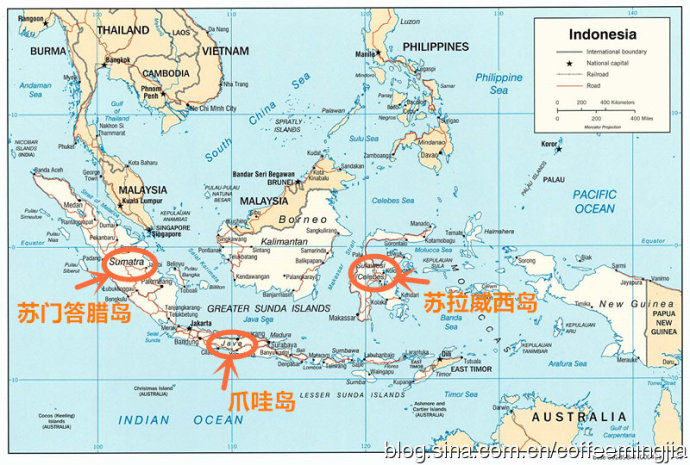
World Coffee Manor production area introduction: detailed introduction of coffee producing country Indonesia Indonesia
Indonesia, the country of Thousand Islands, has the largest number of islands in the world. When it comes to Indonesia, the most familiar is probably the resort island of Bali. A brief History of Coffee in 1696, the Governor of the Netherlands in Malabar, India, gave a batch of coffee seedlings to the Governor of the Netherlands in batavia in Batavia (present-day Jarkata in Jakarta). This was the first time that coffee was grown in Indonesia. But

Description of the flavor characteristics of Indian monsoon coffee and the origin of wind-stained coffee
Wind-stained coffee is a new flavor created inadvertently. In the 17th and 18th centuries, India shipped coffee beans to Europe by sailboat, which took six months. The raw beans were placed on the bottom of the barn and absorbed the moisture and salty taste of the sea. The raw beans arrived in Europe and had deteriorated. The color changed from dark green to the yellowish brown of rice. The acidity of the coffee almost disappeared, but it unexpectedly developed thick nuts and grains.

How did the Indian wind stain treatment come from? What are the characteristics of Malaba coffee?
Professional coffee knowledge exchange more coffee bean information Please follow the coffee workshop (Wechat official account cafe_style) it is said that a long time ago, when raw coffee beans were shipped from India to Europe, changes were caused by high temperatures and moisture in the Indian Ocean, and this is where "wind stains" came from. In addition to the expansion and enlargement of the size of the raw beans after wind-soaked, the color of the raw beans is also changed from green to green.

Description of Arabica Flavor of Indian Coffee A brief introduction to the producing area of Indian Coffee
Slippery and delicious coffee with uniform granules. There are several reasons why Indian coffee is so popular with coffee hobbies, but the most important is a process used in coffee beans, often called the monsooning process. In the past, passengers or goods sailed to and from India, which took about several months to reach Europe. In transit due to

Indian style Malaba treatment what is Indian monsoon coffee? What kind of coffee is Malaba coffee?
Professional coffee knowledge exchange more information about coffee beans Please follow the coffee workshop (Wechat official account cafe_style) Indian style-stained Malaba coffee has been favored by Europeans since the 17th century. This kind of wind-stained coffee is a new flavor created inadvertently. In the 17th and 18th centuries, India shipped coffee beans to Europe by sailboat, which took six months to buy raw beans.
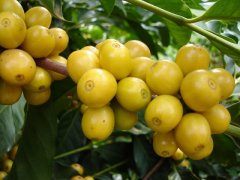
An introduction to the difference between sun-cured coffee beans and wind-stained Malaba in Alecon Farm, India
For the exchange of professional baristas, please follow the coffee workshop (Wechat official account cafe_style) Budan producing area in India-Alakon Farm (Yelnoorkhan Estate) Sun Bean Coffee was brought into the establishment of the first coffee farm by pilgrims as early as the 16th century. You may not imagine that India produces a lot more coffee than Ethiopia and any Central American country, with 900000 hectares.
Introduction to the practice of Wei Zexi coffee beans and fine coffee beans
Consumers are getting used to this, so when steamships shorten the journey time, coffee producers find that consumers still want beans of the same color and taste that are affected by long trips. In order to recreate the flavor of the original coffee, the monsoon process was used. Monsoons occur in southwestern India in May and June every year, so

Indian coffee beans need three to four months of wind soaking, green beans will increase by 2-3 times
Professional coffee knowledge exchange More coffee bean information Please pay attention to coffee workshop (Weixin Official Accounts cafe_style) In fact, India is a country rich in coffee beans. About 250,000 people grow this economic product nationwide. Coffee is suitable for growing in a warm environment. The Tropic of Cancer between North and South is called coffee zone. However, it is afraid that high temperature will damage the characteristics of beans, so most of them are planted in

What is the flavor of the coffee treated by the Indian monsoon? what is the grade of Indian raw beans?
The Asian coffee that most people in Taiwan are familiar with should be Sumatra, Mantenin or Vietnamese coffee with low acidity and mellow taste. But India is actually the oldest coffee producer in Asia. Although Indian coffee did not flourish until it was colonized by the British in the 19th century, it had a history of about two hundred years before that. In 1870, due to the influence of leaf rust